

CUSTOM TRADE SHOW BOOTH DESIGN
Creating a custom exhibit requires a partner; and we are here to help.
If you are to take a look at your current trade show exhibit, what can you say about it? Does it look dull or tired?
Does it convey the right elements essential in highlighting your brand? These are just some of the many questions you need to find answers to in a trade show. While the concept and design really matter, you also need to keep in mind that capturing the attention of attendees is the utmost goal.
Unfortunately, not everyone values the right custom trade show booth design. People often forget that trade shows are meant to provide them with a one-of-a-kind solution to effectively reflect their brand’s personality in a custom exhibit building. Whether you are in need of an upgrade for your older exhibit or simply starting from scratch, you have come to the right place. By taking the right steps early on, you can make the entire design process go smoothly.
So, if you want to bump up your trade show events, take a look at these steps on how to design an exhibit the right way.
Perform an Assessment
This one right here is really straightforward. Basically, the trade show design is the penultimate process that you need to cover accordingly. Otherwise, you will fail to achieve whatever goal or purpose you want in your trade show displays. The assessment, in particular, will give you the ability to oversee any loopholes, from the items to display to how the booth should look like.Your best course of action here is to come up with an assessment form. Of course, it does not have to be complex, but it should list questions that will help you and your team better understand your goal. Even more so, the assessment form can give you concrete knowledge about your creative vision. You will get a better grip of what materials to use, which design techniques to employ, and how the building process must be implemented, among many others.
Allow Yourself To Have Plenty of Time
As always, you should treat your trade show exhibit with utmost importance. It is a big investment, so to speak. Considering how it can affect your brand as a whole, there is definitely a necessity to never rush each and every process. In other words, the development and design process of your trade show must be done in a slow and steady manner. So, how are you going to ensure that this is actually achieved? Well, just make sure you give yourself or the team plenty of time. The good thing here is that there is no general rule of thumb to follow. You allot perhaps two to three months (or even more), depending on what your trade show displays will be about.As always, you should treat your trade show exhibit with utmost importance. It is a big investment, so to speak. Considering how it can affect your brand as a whole, there is definitely a necessity to never rush each and every process. In other words, the development and design process of your trade show must be done in a slow and steady manner. So, how are you going to ensure that this is actually achieved? Well, just make sure you give yourself or the team plenty of time. The good thing here is that there is no general rule of thumb to follow. You allot perhaps two to three months (or even more), depending on what your trade show displays will be about.

This part right here is especially important for first-timers. Since you have no experience or concrete knowledge about how it is going to be, you certainly need plenty of time to prepare and/or plan everything. This includes, but not limited to, budget approval, initial strategic planning, vendor selection, and build/design process. Also, make sure that you a window to dry run everything before the official day arrives. Let’s say you have at least a month before the trade show begins. The idea is to go over everything that you have planned and materialized, and a month or less should do the trick here.
Review and Refine All Initial Concepts
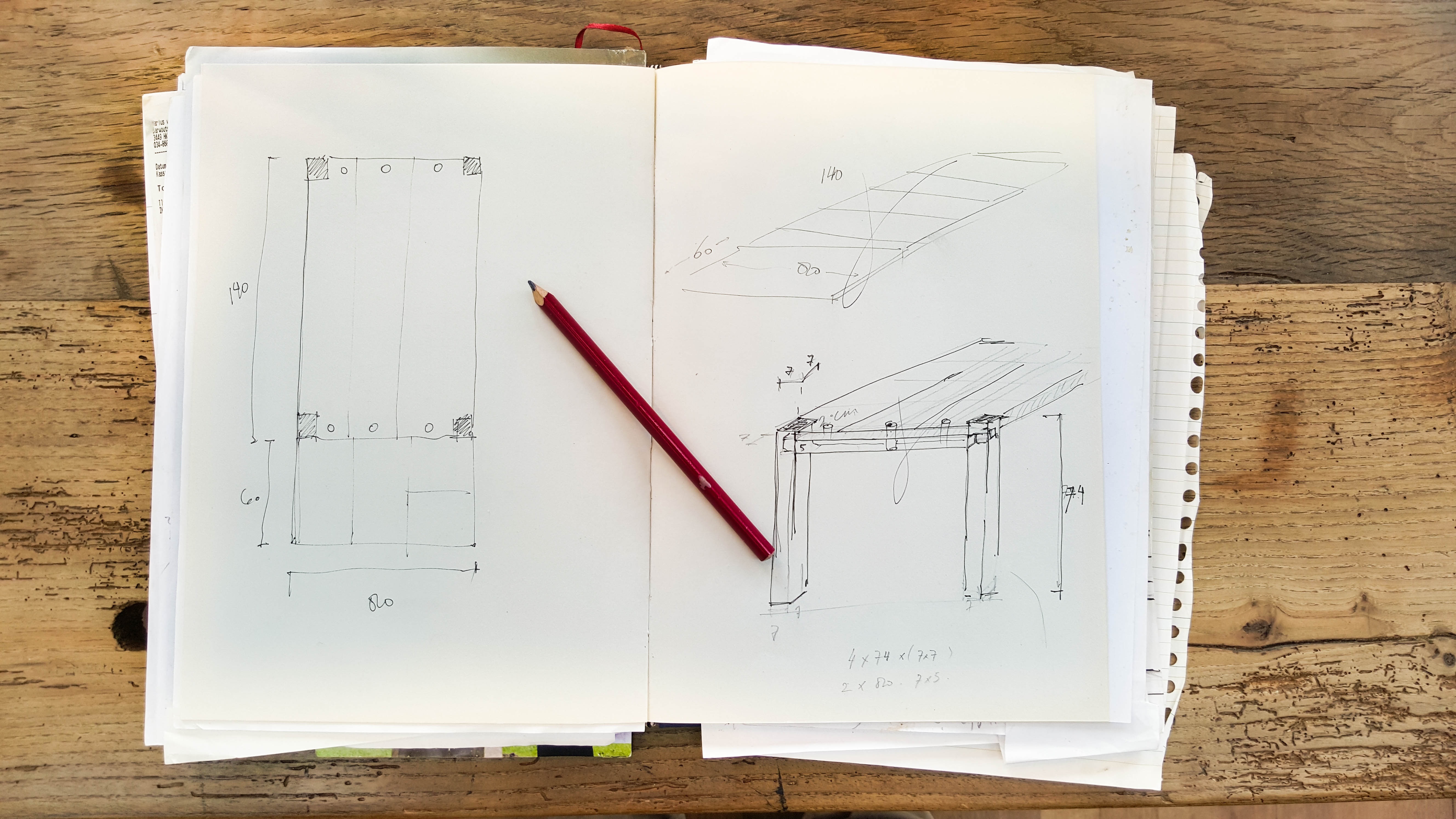
In case you did not know, the exhibit designer is responsible for providing you a deluge of rough sketches and/or concepts.
Mind you, this can be really confusing at some point or another. However, it is important that you go through with all of them so you can make an informed decision. These sketches and concepts, all of which refer to your exhibit design, are in need of a review process. Before giving your approval, it is imperative that you go over them and review each and every selection.
Sometimes, it is better to have a team dedicated to reviewing these initial sketches and concepts, making the approval process more steadfast.
Once the approval is provided, the exhibit designer is expected to create some line drawings, 3D renderings, or what have you in an attempt to give you a clearer understanding. These drawings or renderings refer to the overall concept of your exhibit and its look as soon as it gets completed. The good thing here, though, is that you can still make changes.
For instance, you already provided approval and the designer has submitted the drawings. If you think something is missing or it just does not seem right, do not hesitate in requesting some changes. At the end of the day, these initial concepts will be the design of your trade show booth.
Establishing Details and Framework of the Exhibit
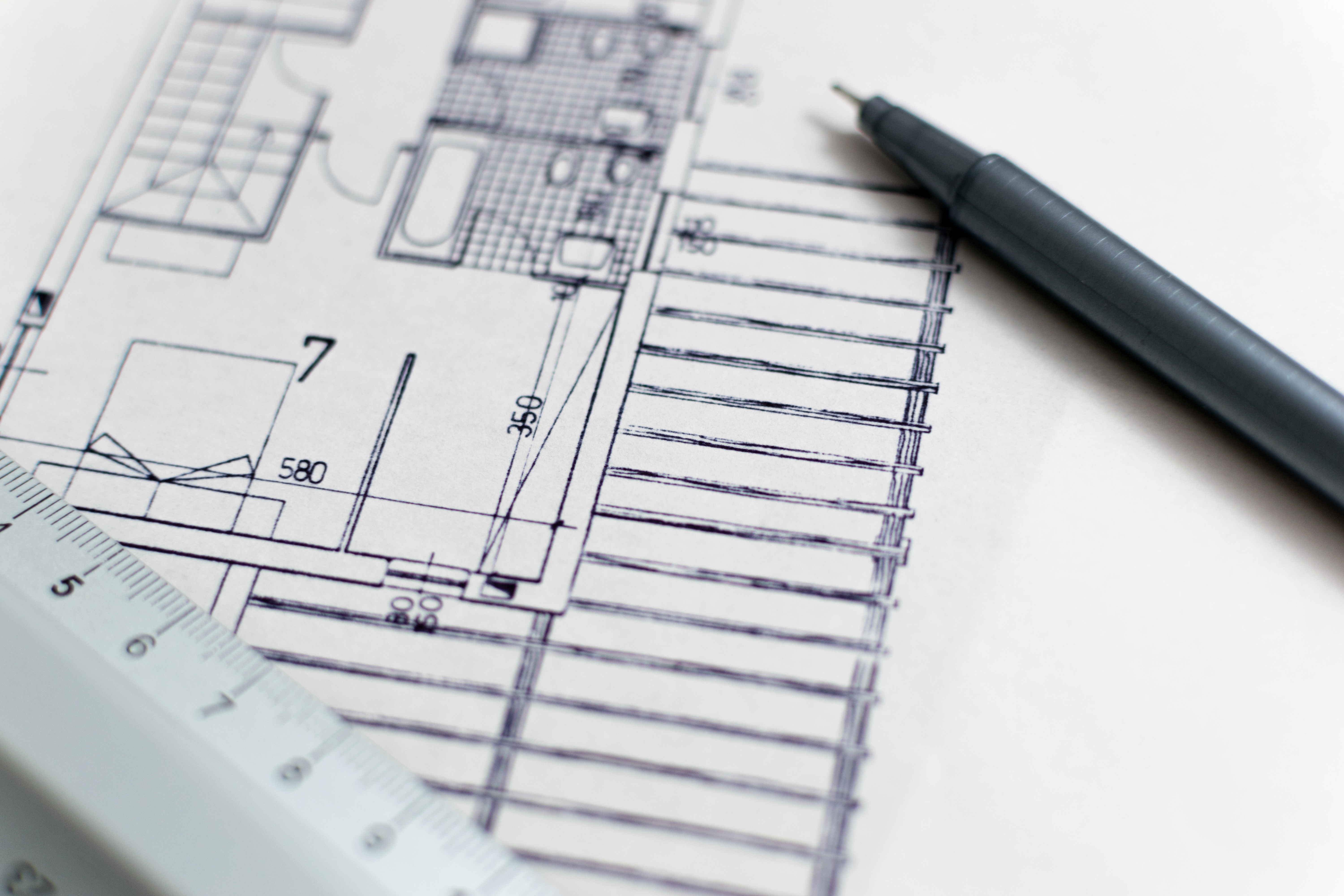
This is where the exhibit designer will forward your design to exhibit detailers. The latter, in particular, refers to individuals who are experts in CAD software. The goal is to simply outline the design’s framework and its building blocks. That is why, as mentioned above, it is necessary for you to review all initial concepts and sketches. Why exactly? That is because the complete specification of finishes, materials, parts, and construction methods, just to name a few, are vital here. If you are not careful in reviewing these specifications from the start, then you will surely have an issue with the result.Interestingly, though, there is still room for improvement here. As long as the graphics specification is not finalized, changes or modifications to your trade show design booth can still be made. Unless you have the freedom to conjure time and resources, you should be good to go. Once everything is finalized, the conversion of templates meant for graphic designers will follow.
The Proposal
As soon as you have finalized everything for the design, the proposal process comes in. This one right here, however, is more into the elements and related costs involved. They are, in one way or another, essential in making your trade show booth design a success. In most cases, the proposal can include the aforementioned items, as well as show services, rental components, term and conditions, booth structure, and any other related itemization. While it is already straightforward, this allows you to have a better look at the resources you need to spend in order to make everything a reality.Preview and Approval
As the name already suggests, this part is all about previewing your trade show booth design and approving it. Once your exhibit is built and finalized, you will be given the opportunity to preview the booth at your chosen custom exhibit building. This is an important step, especially since this already presents the final design and/or look of your booth. During the preview, remember to always ask your exhibit partner about certain adjustments and/or tweaks. If there are things you want to change to your booth, now is the right time to do it.For instance, an area in your trade show booth design does not seem to coexist with your brand’s personality. Or maybe an array of colors needs to be applied in order to make the overall design consistent with your brand. Just voice out whatever requests or changes you have in mind and, more importantly, make sure that these are addressed and applied.
Always the Right Start
There is no doubt that designing and building your trade show booth can be a daunting experience. This is most especially the case if you are new to it or you barely have the resources to make a certain concept a reality. In fact, this process alone can prove detrimental to your company or brand’s success. Nonetheless, it is considered to be one of the largest single trade show expenditures you will have to incur.At the end of the day, your goal is to realize the greatest return on this investment. That is why your booth, as much as possible, must be attractive enough to catch the attention of the attendees. It should also be flexible in supporting your brand or company’s different marketing campaigns. What is more, it should be cost-effective to take advantage of, especially when it comes to purchasing and recurring prices.
Lastly, it is important that you find solutions that will not only satisfy your functional needs but as well as your graphical desires. Start by doing your own research and talking to people who have experienced designing a trade show booth. You can also ask friends for recommendations, allowing you to narrow down your list. Gathering information may seem to be a tiring process, but it actually allows you to obtain as many sources as possible. Above all, it helps you come up with a well-prepared trade show booth.